
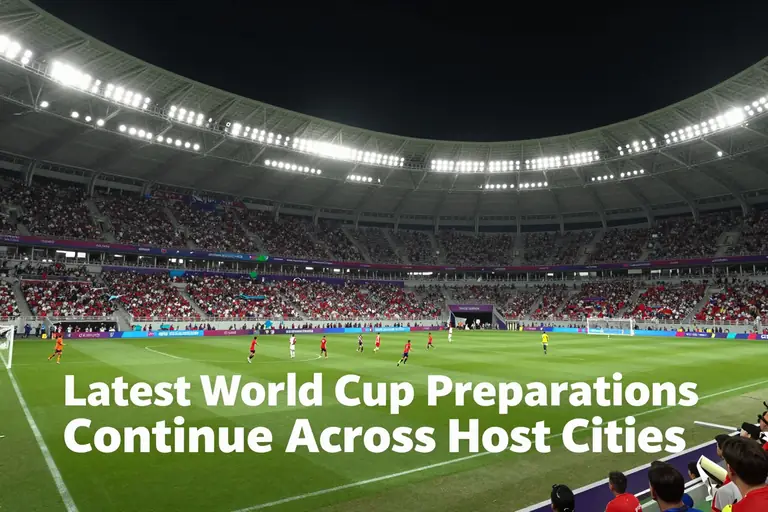
The Global Stage is Set: Latest World Cup Preparations Continue Across Host Cities
The world is holding its breath in eager anticipation of the greatest football spectacle known to humankind. From the bustling metropolises to the serene coastal towns chosen to host this monumental event, the latest World Cup preparations continue across host cities, painting a vivid picture of dedication and ambition. It’s more than just building stadiums; it’s about crafting an unforgettable experience for millions of fans and athletes. Indeed, the latest World Cup preparations continue across host cities with an unwavering focus on excellence.
Every four years, the World Cup transcends mere sport, becoming a global festival that unites nations. This year is no different, with each host city pouring its heart and soul into ensuring everything is perfect. The sheer scale of the undertaking is immense, encompassing everything from state-of-the-art sporting venues to robust transportation networks and vibrant cultural programs. The latest World Cup preparations continue across host cities, ensuring every detail is covered. We are witnessing the culmination of years of planning as the latest World Cup preparations continue across host cities.
Stadiums: Architectural Marvels Taking Shape
At the heart of any World Cup are its stadiums, and this year’s venues promise to be nothing short of spectacular. Each stadium is a testament to modern architectural ingenuity, designed not only for optimal viewing and player comfort but also with sustainability in mind. Local organizing committees are meticulously overseeing the final touches, from pitch perfect turf installations to cutting-edge lighting systems and advanced security protocols. The commitment to delivering world-class facilities is evident as the latest World Cup preparations continue across host cities.
- Lusail Iconic Stadium: This magnificent venue, with its striking design, is poised to host the final match. Workers are putting the finishing touches on its intricate exterior and ensuring all spectator amenities are top-notch.
- Al Bayt Stadium: Inspired by traditional Bedouin tents, this stadium offers a unique cultural immersion. Its retractable roof and advanced cooling systems are undergoing rigorous testing.
- Education City Stadium: Known as the “Diamond in the Desert,” this stadium emphasizes sustainability and will serve as a hub for educational and sporting activities long after the tournament.
- Ahmad bin Ali Stadium: Reflecting the culture and history of its region, this stadium has been upgraded to meet the highest international standards, with new seating and facilities.
Beyond the grand structures, the surrounding areas are also being transformed. Training pitches, media centers, and fan zones are being finalized, all contributing to the comprehensive efforts. It’s a holistic approach where every detail matters, underscoring why the latest World Cup preparations continue across host cities with such fervor. The progress is remarkable as the latest World Cup preparations continue across host cities.
Infrastructure and Connectivity: Building a Seamless Experience
Hosting an event of this magnitude demands an incredibly robust infrastructure. The latest World Cup preparations continue across host cities, focusing heavily on enhancing transportation networks, accommodation options, and digital connectivity. The goal is to ensure that fans, officials, and teams can move efficiently and comfortably throughout their stay.
New metro lines, expanded road networks, and upgraded public transport systems are just some of the improvements being implemented. These projects are not just for the tournament; they represent long-term investments that will benefit residents for decades to come. Air travel capacity has also been significantly boosted, with new terminals and increased flight schedules to accommodate the influx of international visitors. This logistical masterpiece is a critical component of the overall readiness, as the latest World Cup preparations continue across host cities.
“The seamless movement of people is paramount. We’re not just building infrastructure for a month-long event; we’re laying the groundwork for future growth and connectivity.” – A spokesperson for the organizing committee.
Accommodation is another key area. From luxury hotels to budget-friendly options and even cruise ship hotels, a diverse range of lodging is being prepared to cater to every need. Digital infrastructure is also receiving significant attention, with expanded 5G networks and free Wi-Fi zones planned across all major public areas and stadiums, ensuring everyone stays connected. The comprehensive nature of these improvements highlights the depth of planning involved as the latest World Cup preparations continue across host cities.
Security Measures: Ensuring Safety and Peace of Mind
In today’s world, security is paramount for any large-scale international event. The latest World Cup preparations continue across host cities with an intense focus on implementing state-of-the-art security measures. This involves a multi-layered approach, combining advanced technology with highly trained personnel.
Sophisticated surveillance systems, including facial recognition technology and drone monitoring, are being deployed around stadiums and key public areas. Collaboration between local law enforcement, international security agencies, and private security firms is robust, ensuring a coordinated and effective response to any potential threat. Comprehensive training exercises, simulating various scenarios, are regularly conducted to keep security teams sharp and ready. The commitment to safeguarding all participants and spectators is absolute, forming a crucial pillar as the latest World Cup preparations continue across host cities.
- Enhanced perimeter security around all venues.
- Dedicated rapid response units strategically positioned.
- Advanced screening technologies at entry points.
- Public awareness campaigns on safety protocols.
These measures are designed to be both effective and unobtrusive, allowing fans to enjoy the festivities with peace of mind. The balance between strict security and a welcoming atmosphere is a delicate one, but organizers are confident in their ability to achieve it. The detailed planning involved in this aspect truly showcases the comprehensive nature of the latest World Cup preparations continue across host cities.
Cultural Integration and Fan Engagement: Embracing the Spirit of the Game
A World Cup is as much about cultural exchange as it is about football. The latest World Cup preparations continue across host cities with a strong emphasis on cultural integration and robust fan engagement programs. Organizers are keen to showcase the unique heritage and hospitality of the host nation, creating a truly immersive experience for visitors.
Fan zones are being established in prominent locations, offering live screenings of matches, entertainment, food, and merchandise. These zones are designed to be vibrant hubs where fans from different nations can gather, celebrate, and share their passion for the sport. Cultural festivals, art exhibitions, and traditional performances are also being planned to give visitors a taste of the local culture. The goal is to foster a spirit of camaraderie and mutual respect among the diverse global audience. This cultural outreach is a vital part of why the latest World Cup preparations continue across host cities with such enthusiasm.
Volunteer programs are also in full swing, with thousands of locals being trained to assist visitors, provide information, and help create a friendly atmosphere. These volunteers will be the face of the tournament, embodying the warmth and generosity of the host nation. Educational initiatives are also underway, teaching visitors about local customs and etiquette to ensure a respectful and harmonious environment. The meticulous attention to these softer aspects of hosting highlights the depth of thought behind the latest World Cup preparations continue across host cities.
Sustainability and Legacy: A Vision for the Future
Beyond the immediate excitement of the tournament, there’s a strong focus on sustainability and creating a lasting legacy. The latest World Cup preparations continue across host cities with an eye towards environmental responsibility and long-term community benefits. Green building practices, waste management strategies, and renewable energy solutions are being integrated into all aspects of the event.
Many of the new stadiums are designed to be modular, with plans for their upper tiers to be dismantled and donated to developing countries after the tournament, ensuring their continued use. Public transport upgrades and cycling infrastructure encourage eco-friendly travel options. There’s also a significant emphasis on water conservation and reducing the overall carbon footprint of the event. These efforts demonstrate a commitment to hosting a World Cup that is not only spectacular but also responsible. The thoughtful consideration of future impact is a cornerstone as the latest World Cup preparations continue across host cities.
The legacy extends beyond environmental concerns. The infrastructure improvements, enhanced tourism capabilities, and boosted international profile are expected to bring significant economic benefits for years to come. Furthermore, the tournament aims to inspire a new generation of athletes and foster a greater love for football within the host nation and globally. The organizers are working to ensure that the positive impacts of hosting the World Cup resonate long after the final whistle blows, making these latest World Cup preparations continue across host cities a truly transformative endeavor.
The Final Push: What to Expect in the Coming Months
As the countdown intensifies, the final months leading up to the World Cup will see a flurry of activity. Test events will be held at all major venues to iron out any kinks in operations, logistics, and security. Teams will begin arriving for training camps, and the atmosphere will become palpable. The world’s media will descend upon the host nation, bringing global attention to every detail of the preparations. The latest World Cup preparations continue across host cities, ramping up to a crescendo of excitement.
Expect to see more promotional campaigns, unveiling of official songs and mascots, and the finalization of ticketing and hospitality packages. The host cities will transform into vibrant hubs of activity, adorned with flags, banners, and digital displays celebrating the upcoming tournament. The enthusiasm is infectious, and every aspect is being polished to perfection. This final push is critical, ensuring that when the first whistle blows, everything is in place for a truly memorable World Cup. The dedication to excellence is unwavering as the latest World Cup preparations continue across host cities.
From the grandeur of the stadiums to the intricate network of transportation, and from the robust security measures to the vibrant cultural programs, every element is being meticulously crafted. The latest World Cup preparations continue across host cities, not just as a logistical challenge, but as a passionate endeavor to deliver a global festival that will be etched in history. Get ready, the world is coming, and the stage is almost perfectly set.
FAQ
Q: What are the main areas of focus for the host cities’ preparations?
A: The main areas of focus include stadium construction and renovation, development of robust transportation networks, enhancement of accommodation options, implementation of comprehensive security measures, and the creation of vibrant cultural and fan engagement programs. The latest World Cup preparations continue across host cities to ensure excellence in all these aspects.
Q: How are the host cities addressing sustainability in their World Cup preparations?
A: Host cities are integrating green building practices, waste management strategies, and renewable energy solutions. Many stadiums are designed for modularity, with parts to be repurposed after the tournament, and there’s a strong emphasis on public transport and reducing the overall carbon footprint. These efforts are central as the latest World Cup preparations continue across host cities.
Q: What kind of legacy do the host cities aim to create beyond the tournament?
A: The host cities aim to create a lasting legacy through improved infrastructure, enhanced tourism capabilities, and significant economic benefits. They also hope to inspire future generations in sports and foster a greater appreciation for football globally, ensuring the positive impacts resonate long after the event. This long-term vision is key as the latest World Cup preparations continue across host cities.