The Global Spectacle Approaches: Latest World Cup Preparations Continue Across Host Cities
The countdown to the next FIFA World Cup is well and truly on, and the excitement is palpable across continents. From the bustling metropolises to the quieter, yet equally significant, communities chosen to host matches, the latest World Cup preparations continue across host cities with an intensity that reflects the monumental scale and global significance of the event. This isn’t merely about constructing magnificent stadiums; it’s a holistic endeavor encompassing a vast array of critical components, including robust infrastructure development, comprehensive security frameworks, world-class hospitality services, and rich cultural programs, all meticulously designed to welcome the world with open arms. The latest World Cup preparations continue across host cities, ensuring every detail is perfect.
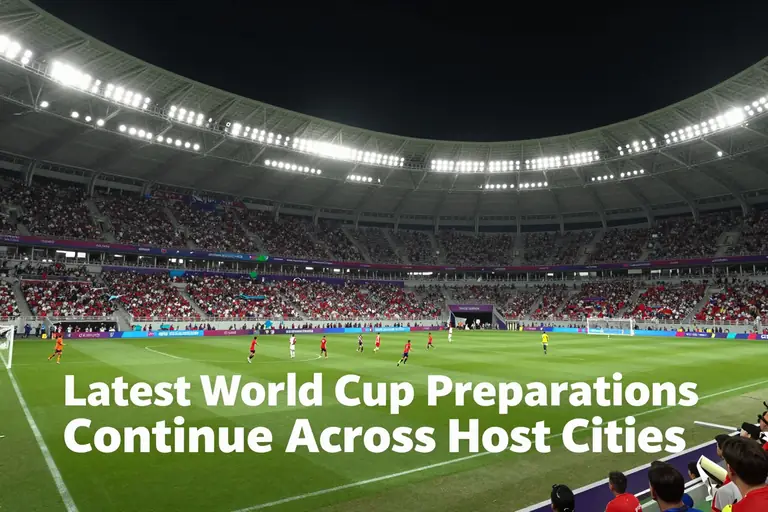
One of the most visible and iconic aspects of these preparations is, undoubtedly, the stadiums themselves. Many host cities are either unveiling brand-new, state-of-the-art arenas that push the boundaries of architectural innovation or undertaking significant, ambitious renovations to existing ones. These projects are often massive in scale, involving thousands of skilled construction workers, engineers, and designers, all collaborating to bring cutting-edge architectural visions to life. The overarching goal is not only to provide immaculate, world-class playing surfaces and unparalleled spectator facilities but also to ensure sustainability and a lasting legacy that benefits the communities long after the final whistle blows. We are increasingly seeing innovative designs that incorporate advanced renewable energy sources, sophisticated water recycling systems, and even modular elements that can be efficiently repurposed or downsized post-tournament to avoid white elephants. This unwavering commitment to environmental responsibility and long-term community benefit is a recurring and central theme as the latest World Cup preparations continue across host cities.
Beyond the Pitch: Infrastructure Upgrades and Hyper-Connectivity
While the gleaming stadiums naturally grab the headlines and capture the imagination, the intricate supporting infrastructure is equally, if not more, crucial for the seamless execution of such a colossal event. Imagine millions of passionate fans descending upon a host nation; efficient, reliable, and accessible transportation is absolutely paramount. Host cities are investing unprecedented sums in upgrading their public transport networks – new metro lines are being laid, existing bus routes are being expanded and optimized, and improved road systems are being constructed or extensively refurbished, all forming an integral part of this comprehensive package. International airports are also undergoing significant enhancements to gracefully handle the anticipated surge in passenger traffic, with new terminals being added, existing ones modernized, and streamlined customs and immigration processes being implemented to ensure smooth entry and exit. These are not merely temporary fixes for the duration of the tournament; these profound infrastructure improvements are strategically designed to serve the residents and the nation for decades to come, demonstrating the profound and enduring long-term benefits derived from hosting such a prestigious global event. Indeed, the latest World Cup preparations continue across host cities with an unwavering focus on enhancing overall urban mobility, logistical efficiency, and nationwide connectivity.
Furthermore, the digital infrastructure is receiving considerable and strategic attention. Reliable, high-speed, and ubiquitous internet access is no longer a luxury but an absolute necessity for modern sporting events, which are intrinsically linked with global communication and real-time information sharing. From sprawling media centers requiring robust, low-latency connectivity for live broadcasts to millions of fans wanting to instantaneously share their experiences in real-time on social media platforms, a seamless and uninterrupted digital experience is not just expected, it is demanded. Host cities are aggressively upgrading their telecommunications networks, installing state-of-the-art 5G capabilities, and ensuring pervasive Wi-Fi availability in key public areas, fan zones, and, of course, within the very fabric of the stadiums themselves. This advanced digital readiness is a key and non-negotiable component as the latest World Cup preparations continue across host cities, reflecting the increasingly digital, interconnected, and experience-driven nature of global events in the 21st century.
Security and Safety: A Top Priority, Unyielding Commitment
The safety and security of all participants, visitors, and residents are always a paramount concern for any major international event, and the FIFA World Cup, with its global reach and massive attendance, is certainly no exception. Host nations are working in exceptionally close collaboration with international security agencies, intelligence services, and counter-terrorism units to develop and implement comprehensive, multi-layered security plans. This includes, but is not limited to, enhanced surveillance technologies, a significantly increased police and security presence, sophisticated crowd control measures utilizing advanced analytics, and rigorous screening procedures at all venues, transportation hubs, and public gathering points. Extensive training exercises and simulations are being conducted regularly to ensure that emergency services, medical personnel, and security forces are exceptionally well-prepared for any conceivable eventuality, from minor incidents to major crises. The coordination between local authorities, national security forces, and international partners is intricate, continuous, and highly sophisticated. It’s a testament to the profound dedication that the latest World Cup preparations continue across host cities with such meticulous attention to every detail of security protocols, aiming to create an environment that is not only safe but also feels secure and enjoyable for everyone.
Hospitality and Cultural Immersion: A Global Welcome
Beyond the technical and security aspects, which form the foundational bedrock, the spirit of welcome, genuine hospitality, and cultural exchange is central to the World Cup experience. Host cities are gearing up to offer an exceptionally warm reception to visitors from every corner of the globe. This involves extensive training for hospitality staff, from personnel in five-star hotels and bustling restaurants to local guides and information officers, ensuring they are equipped to cater to a diverse international audience with varying needs and expectations. Language support services, comprehensive cultural awareness programs, and readily accessible information services are being meticulously rolled out. Local businesses, from artisans to restaurateurs, are also being actively encouraged to participate, offering unique cultural experiences, showcasing local crafts, and presenting authentic regional cuisine. The overarching aim is to provide a rich, immersive, and unforgettable experience that extends far beyond the football matches themselves, creating lasting memories for visitors. The latest World Cup preparations continue across host cities, emphasizing the profound importance of cultural exchange, mutual understanding, and fostering global camaraderie.
To further enhance this cultural immersion, a vibrant tapestry of cultural events and festivals are being meticulously planned to run concurrently with the tournament. These can range from world-class art exhibitions and captivating music concerts featuring international and local artists to traditional dance performances, theatrical productions, and historical reenactments, all offering visitors a deeper, more nuanced insight into the host nation’s rich heritage and contemporary culture. These events not only entertain and delight but also play a crucial role in fostering a sense of global community and mutual understanding, transcending linguistic and cultural barriers. It’s a truly wonderful opportunity for host cities to showcase their unique identity, values, and traditions to a global audience of billions. The comprehensive and multi-faceted nature of the latest World Cup preparations continue across host cities, ensuring that every aspect of a visitor’s journey, from arrival to departure, is considered and elevated.
Sustainability and Legacy: Building for a Brighter Future
A significant and increasingly pronounced focus of modern World Cup planning is sustainability and the creation of a meaningful, enduring legacy. Host nations are increasingly aware of their profound environmental and social responsibilities and the potential impact of such large-scale events. Concerted efforts are being made to minimize the ecological footprint, encompassing everything from sustainable construction practices utilizing eco-friendly materials to advanced waste management and recycling programs, and robust carbon offsetting initiatives. The ultimate aim is to leave a tangible and positive environmental legacy that extends well beyond the tournament’s duration. Furthermore, the social and economic legacy is considered equally, if not more, important. Critical questions are being addressed: How will the extensive infrastructure improvements benefit local communities and the broader populace in the long term? How will the increased tourism, international exposure, and boosted economic activity contribute to sustainable growth and prosperity for local economies beyond the immediate period of the tournament? These are critical, forward-looking questions being meticulously addressed in the planning phases. The latest World Cup preparations continue across host cities with a clear, strategic vision for the future, ensuring that the benefits of hosting extend far beyond the tournament itself and into the fabric of daily life.
To ensure this enduring legacy, targeted training programs for local youth and professionals in various sectors, from sports management and event organization to hospitality, tourism, and media, are being vigorously implemented. This proactive approach aims to create a highly skilled and empowered workforce that can continue to benefit from the new infrastructure and opportunities generated by the World Cup for years to come. The stadiums, once the grand stage for global football, are often designed to be multi-functional venues that can seamlessly host a diverse array of events, including major concerts, international conferences, other sporting events, and community gatherings, thereby ensuring their continued use, economic viability, and relevance as community assets long into the future. This forward-thinking, legacy-driven approach is integral to how the latest World Cup preparations continue across host cities, transforming temporary spectacle into permanent benefit.
Community Engagement: Bringing Everyone Together in Shared Enthusiasm
Engaging local communities, fostering a sense of ownership, and garnering widespread support are absolutely vital for the success and authentic spirit of the World Cup. Host cities are running various programs and initiatives to actively involve residents, from extensive volunteer recruitment campaigns that empower citizens to participate directly in the event to educational campaigns that inform and excite the public about the tournament’s significance and potential benefits. Local schools and universities are often involved in educational projects, art competitions, and cultural exchanges related to the World Cup, fostering a deep sense of pride, global awareness, and collective ownership among the younger generation. This vibrant community involvement helps to create a truly authentic, welcoming, and celebratory atmosphere for both international visitors and local residents alike. The feeling of shared excitement, collective effort, and national pride is a powerful and unifying force as the latest World Cup preparations continue across host cities, building a bridge between the event and the everyday lives of the people.
The FIFA World Cup is undeniably more than just a series of football matches; it’s a profound global celebration that transcends sport, bringing people together from all corners of the earth in a shared passion. The meticulous planning, the tireless work, and the immense dedication being undertaken by the host cities are a powerful testament to the unparalleled importance, prestige, and unifying power of this event. Every conceivable detail, from the grand architectural marvels of the stadiums to the smallest cultural nuances and logistical considerations, is being rigorously considered and perfected to ensure an unforgettable, inspiring, and seamless experience for everyone involved. The unwavering dedication to excellence and the pursuit of perfection are evident at every turn as the latest World Cup preparations continue across host cities, meticulously paving the way for what promises to be a truly spectacular, historic, and globally celebrated tournament. The latest World Cup preparations continue across host cities, building excitement for a truly global spectacle.
Ultimately, the resounding success of the World Cup hinges entirely on the seamless, coordinated, and flawless execution of these extensive and complex preparations. The eyes of the world will be watching, captivated by the spectacle, and the host cities are determined to deliver an event that not only meets but comprehensively exceeds all expectations, setting new benchmarks for future global events. The journey to the opening ceremony is undeniably a complex, demanding, and multi-faceted one, but the palpable enthusiasm, the unwavering commitment, and the collaborative spirit of all involved promise a remarkable and triumphant outcome. The latest World Cup preparations continue across host cities, building an ever-increasing wave of anticipation for what promises to be an indelible and truly historic event that will be etched in the memories of millions for generations to come. Indeed, the latest World Cup preparations continue across host cities with remarkable progress.
FAQ
Q1: What are the primary challenges faced by host cities during World Cup preparations?
Host cities face a multitude of complex challenges, including the monumental task of managing large-scale construction projects (like stadiums and infrastructure) within exceptionally strict and often unforgiving deadlines. Ensuring robust, multi-layered security for millions of international visitors and participants is another critical hurdle. They must also significantly upgrade existing infrastructure (e.g., transportation, utilities, digital networks) to handle the exponentially increased demand, all while coordinating efforts across numerous governmental bodies, private entities, and international organizations. Balancing these immense logistical complexities with often tight financial constraints and ambitious sustainability goals presents a significant and ongoing undertaking. The latest World Cup preparations continue across host cities addressing these challenges head-on.
Q2: How do host cities ensure a lasting legacy after the World Cup concludes?
To ensure a truly lasting and beneficial legacy, host cities adopt a forward-thinking approach. This includes designing stadiums as multi-functional venues that can be repurposed for various events post-tournament, ensuring long-term infrastructure upgrades (like improved public transport and digital networks) directly benefit local residents for decades. They also invest heavily in human capital development through comprehensive training programs in sectors such as hospitality, event management, and sports administration. Furthermore, they aim to strategically boost local economies through increased tourism and international exposure, fostering sustainable economic growth and opportunity well beyond the tournament’s immediate impact. This focus on legacy is a key aspect as the latest World Cup preparations continue across host cities.
Q3: What critical role does technology play in the latest World Cup preparations?
Technology plays an absolutely crucial and pervasive role in modern World Cup preparations. This ranges from implementing ‘smart stadium’ technologies that significantly enhance spectator experience (e.g., seamless entry, personalized services, in-seat ordering) and optimize operational efficiency, to deploying advanced AI-driven security systems and surveillance networks. Robust, high-speed digital infrastructure, including widespread 5G networks and ubiquitous Wi-Fi, is essential for enabling media operations, ensuring real-time fan connectivity, and facilitating seamless communication across all operational teams. Moreover, digital platforms and applications are indispensable for managing complex logistics, ticketing, visitor information, emergency response, and overall event coordination, truly making technology an enabler of the entire spectacle. The latest World Cup preparations continue across host cities, heavily leveraging technological advancements for success.