
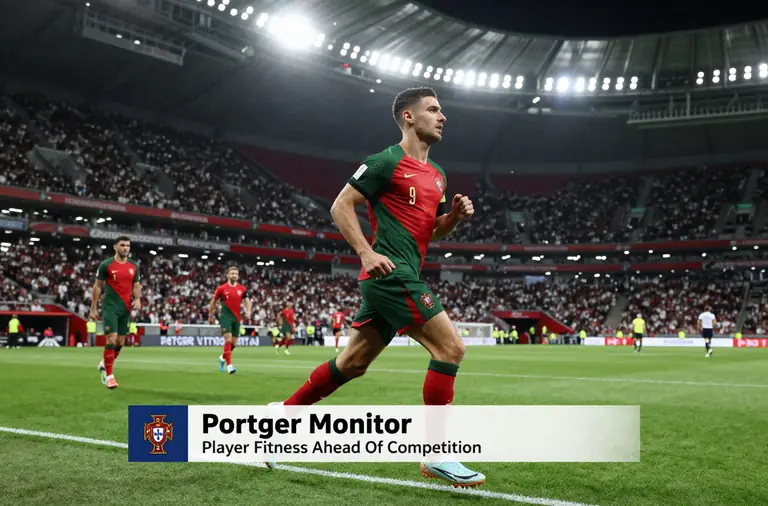
The Road to Peak Performance: Portugal Monitor Player Fitness Ahead Of Competition
As a major international football competition draws closer, the spotlight intensifies on national teams and their preparations. For Portugal, a nation with a rich footballing heritage and high expectations, the meticulous process of ensuring every player is in optimal physical condition is paramount. The coaching staff and medical teams are leaving no stone unturned as Portugal monitor player fitness ahead of competition, understanding that even the slightest dip in physical prowess can have significant repercussions on the field. This comprehensive approach is not merely about preventing injuries; it’s about engineering peak performance, maximizing tactical flexibility, and ultimately, enhancing the team’s chances of lifting the coveted trophy. Effectively, when Portugal monitor player fitness ahead of competition, they are investing in their success.
The modern game demands an incredible level of athleticism, endurance, and resilience. Players are subjected to rigorous schedules, often balancing intense club commitments with equally demanding national team duties. This constant demand makes effective player monitoring not just beneficial, but absolutely essential for sustained success at the highest level. The detailed data collected helps coaches make informed decisions about training loads, recovery protocols, nutritional strategies, and ultimately, squad selection. It’s a complex puzzle, and every piece of information, from physiological markers to subjective well-being reports, contributes to the bigger picture of a successful campaign. The integration of cutting-edge technology with experienced human insight forms the bedrock of Portugal’s high-performance strategy. This dedication ensures that Portugal monitor player fitness ahead of competition with utmost precision.
Why Fitness Monitoring is Crucial for Elite Teams: Beyond the Basics
The intensity of top-tier football has escalated dramatically over the past few decades. Gone are the days when raw talent alone could carry a team to glory. Today, physical conditioning is a fundamental pillar of success, intertwined with technical skill and tactical acumen. When Portugal monitor player fitness ahead of competition, they are essentially investing in their potential for victory, recognizing that physical superiority can often be the decisive factor in closely contested matches. Here are some key reasons why this monitoring is so vital, extending beyond mere injury prevention:
- Injury Prevention and Risk Mitigation: This remains a cornerstone. By tracking metrics like heart rate variability (HRV), sleep patterns, muscle soreness, and biomechanical loads, medical staff can identify early signs of fatigue, overtraining, or potential weaknesses. This allows for proactive intervention, such as adjusting training regimens, implementing specific recovery modalities, or even temporarily reducing a player’s workload, thereby preventing minor niggles from escalating into debilitating injuries that could rule a player out of a crucial match or the entire tournament. This is a primary reason why Portugal monitor player fitness ahead of competition.
- Performance Optimization and Peak Conditioning: Understanding each player’s unique physiological capabilities and current status allows coaches to tailor training programs to maximize their individual strengths and address any areas needing improvement. The goal is to ensure players are not just fit, but are peaking at precisely the right time – during the competition itself. This involves periodization strategies that carefully balance intensity and recovery, ensuring players are fresh, powerful, and mentally sharp for every game. This is another critical aspect when Portugal monitor player fitness ahead of competition.
- Tactical Implementation and Adaptability: A team’s tactical approach often depends heavily on the physical attributes and current fitness levels of its players. High-pressing strategies, for instance, demand exceptional stamina, repeated sprint ability, and rapid recovery between efforts. Knowing the precise fitness levels of the entire squad helps coaches implement tactics that are sustainable, effective, and can be maintained for the full 90 minutes and beyond, across multiple games in a short period. It also allows for tactical flexibility, as coaches can confidently switch between high-intensity and more conservative approaches based on player data.
- Strategic Squad Management and Rotation: With a large squad and the demands of a tournament format (often involving multiple games in quick succession), coaches need to manage player minutes and workload effectively to prevent burnout. Fitness data provides objective insights, helping them decide who is ready for a full 90 minutes, who might benefit from partial rest or substitution, and who is best suited for a substitute role to make an impact later in the game. This data-driven rotation ensures the squad remains fresh throughout the competition.
- Nutritional and Hydration Strategies: Monitoring provides critical data for personalized nutrition and hydration plans. Understanding energy expenditure, sweat rates, and metabolic markers allows nutritionists to fine-tune dietary intake, electrolyte replenishment, and supplement use, ensuring players have the fuel and hydration necessary for optimal performance and rapid recovery.
- Psychological Readiness and Mental Well-being: While often intertwined with physical state, fitness monitoring also provides indirect insights into a player’s mental well-being. Chronic fatigue or recurring minor injuries can impact morale. Subjective feedback collected alongside physical data helps identify players who might be struggling psychologically, allowing for appropriate support to be offered.
The Tools and Techniques Used by Portugal: A Technological Edge
The methods employed to Portugal monitor player fitness ahead of competition are sophisticated and multi-faceted, leveraging cutting-edge sports science and technology. It’s no longer just about running laps; it involves a comprehensive, integrated approach to physiological and psychological well-being, utilizing a blend of high-tech devices and expert human interpretation.
GPS Tracking and Wearable Technology: Players wear advanced GPS devices during training sessions and sometimes even during matches. These devices record an extensive array of data points, including total distance covered, speed zones (e.g., high-speed running, sprinting), acceleration and deceleration events, changes in direction, and even metrics like player load (a measure of overall external workload). This granular information provides a clear, objective picture of a player’s physical output and movement patterns. High-intensity running metrics are particularly scrutinized, as they are often indicative of match performance capacity and fatigue levels. This data helps quantify the demands of specific drills and allows coaches to modulate training intensity.
Physiological Assessments and Biomarkers: Regular biological sampling is crucial. Blood tests and urine samples are conducted to assess a wide range of biomarkers, including hormone levels (e.g., cortisol for stress, testosterone for recovery), inflammatory markers (e.g., C-reactive protein), creatine kinase (an indicator of muscle damage), iron levels, and hydration status. These tests can reveal underlying fatigue, nutritional deficiencies, or even the early stages of illness, allowing for prompt, targeted intervention. Beyond blood work, physiological tests like lactate threshold testing (to determine aerobic capacity and fatigue onset) and VO2 max assessments (maximal oxygen uptake) are common to establish baseline fitness and track improvements.
Strength and Conditioning Tests: Players undergo a comprehensive battery of tests to measure various components of physical fitness: strength (e.g., maximal lifts, isometric tests), power (e.g., jump tests like countermovement jump, squat jump), flexibility (e.g., range of motion assessments), and agility (e.g., T-test, change of direction speed). These tests are performed regularly (e.g., weekly, bi-weekly) to monitor progress, identify muscular imbalances, and inform individualized strength and conditioning programs. Data from these tests can also highlight areas of weakness that might predispose a player to injury.
Subjective Well-being Questionnaires (SWBQ): While objective data is invaluable, player feedback is equally important and provides a crucial qualitative dimension. Athletes regularly complete questionnaires about their sleep quality (duration, efficiency), perceived stress levels, muscle soreness (using scales), fatigue levels, and overall mood. This subjective data, collected daily or weekly, combined with objective metrics, provides a holistic view of a player’s readiness and helps identify discrepancies between perceived and actual physical states. It’s a crucial aspect when Portugal monitor player fitness ahead of competition, as it helps build trust and allows for early psychological intervention.
Advanced Imaging and Diagnostic Tools: In cases of suspected injuries, for baseline assessments, or to monitor recovery from previous injuries, advanced imaging techniques like Magnetic Resonance Imaging (MRI), ultrasound scans, or even CT scans might be used. These provide detailed anatomical views of muscles, tendons, ligaments, and bones, helping in both precise diagnosis of problems and meticulous monitoring of tissue healing and recovery progression.
Sleep Monitoring: Given the critical role of sleep in recovery and performance, many players utilize wearable devices or dedicated apps to track sleep duration, quality, and sleep stages. This data helps identify sleep deficits and allows for interventions like optimizing sleep environments or adjusting routines.
Building an Individualized Approach: The Player-Centric Model
One size does not fit all in elite sports. Each player has a unique physiological makeup, genetic predispositions, playing style, injury history, and even psychological profile. Therefore, an individualized approach is absolutely fundamental when Portugal monitor player fitness ahead of competition. The vast amounts of data collected are not just aggregated for the team, but meticulously analyzed for each individual. This allows the medical and coaching staff to:
- Tailor Training Loads and Exercises: A central defender who covers less ground but engages in more high-intensity duels, aerial contests, and powerful sprints will have different training needs and recovery demands than a winger who makes numerous long-distance sprints and covers a greater total distance. Training plans are adjusted based on individual responses to load.
- Design Personalized Recovery Strategies: Recovery is as crucial as training. Some players might benefit more from cryotherapy (cold therapy), while others might respond better to specific types of massage, active recovery sessions (e.g., light cycling, swimming), hydrotherapy, or targeted stretching and mobility work. Nutritional recovery also varies based on individual energy expenditure and metabolic needs.
- Manage Return-to-Play Protocols Post-Injury: Following an injury, a carefully staggered and scientifically guided return to training and match play is essential to prevent re-injury. Fitness monitoring ensures that each stage of rehabilitation is met safely and effectively, with progressive increases in load and intensity, only when the player’s body is ready. This often involves specific drills designed to replicate match demands in a controlled environment.
- Optimize Nutritional and Hydration Plans: Individual metabolic rates, body composition, sweat rates, and energy expenditure during training and matches dictate highly personalized nutritional intake for carbohydrates, proteins, fats, and micronutrients, as well as specific hydration protocols.
The Role of Sports Scientists and Medical Staff: The Unsung Architects
Behind the scenes, a dedicated, multidisciplinary team of sports scientists, physiotherapists, doctors, nutritionists, and psychologists works tirelessly. They are the architects and implementers of the fitness monitoring program. Their expertise in collecting, interpreting complex data, communicating findings effectively to the coaching staff, and implementing corrective measures is invaluable. They are the unsung heroes ensuring that Portugal monitor player fitness ahead of competition with the utmost precision and scientific rigor.
Their collaboration with the coaching staff is seamless and constant. Regular meetings ensure that training plans align with fitness goals, that any concerns about player well-being are addressed promptly, and that tactical adjustments can be made with full knowledge of the squad’s physical capabilities. This interdisciplinary approach, fostering open communication and mutual respect, is a hallmark of successful national teams and a critical factor in Portugal’s preparedness. It underscores the commitment to ensuring Portugal monitor player fitness ahead of competition effectively.
Challenges and Adaptations: Navigating the Complexities of Elite Football
Monitoring player fitness, especially at the international level, is not without its challenges. International players often arrive from different clubs, each with their own training philosophies, tactical demands, and monitoring systems. Integrating this diverse group of athletes into a unified national team program requires significant flexibility, adaptability, and a robust onboarding process. The Portuguese staff must quickly assess each player’s current status, understand their recent club workload, and adjust national team training accordingly to avoid overtraining or undertraining.
Furthermore, the psychological aspect of competition cannot be overlooked. The immense pressure to perform on the global stage, the constant travel, the intense media scrutiny, and the long periods away from family can all take a significant toll on a player’s mental well-being. While physical fitness is largely quantifiable, mental resilience and emotional state are equally critical for sustained performance. Therefore, a holistic approach that includes dedicated psychological support, stress management techniques, and open communication channels is an integral part of the overall strategy as Portugal monitor player fitness ahead of competition.
The team also needs to be prepared for unexpected events. A sudden illness, a minor knock in a friendly match, or even environmental factors like extreme heat or altitude in different tournament venues can disrupt meticulously planned schedules. The ability to adapt quickly and effectively, adjusting training loads, recovery protocols, and even tactical approaches on the fly, is a testament to the robustness and responsiveness of their monitoring systems and the expertise of the support staff.
Looking Ahead: The Impact on Tournament Performance and Legacy
Ultimately, the rigorous and dedicated efforts to Portugal monitor player fitness ahead of competition are all geared towards one objective: success on the pitch. A fit, fresh, and healthy squad is more resilient, performs at a higher intensity for longer periods, and is less prone to errors caused by fatigue, both physically and mentally. It allows the coaching staff to have a full complement of options, enabling them to make tactical adjustments, introduce fresh legs, and respond to in-game scenarios without being limited by player availability or compromised physical states.
Fans eagerly anticipate seeing their heroes in action, delivering thrilling performances that capture the imagination of the nation and the world. The groundwork laid by the fitness monitoring teams off the pitch directly contributes to the spectacle on it. Every explosive sprint, every perfectly timed tackle, every moment of individual brilliance is underpinned by countless hours of scientific preparation, meticulous data analysis, and careful physiological management. While Spain Continue Preparations For World Cup Challenge, Portugal’s focus remains squarely on their own squad’s peak condition, understanding that their destiny is significantly shaped by their physical readiness.
The commitment to excellence in sports science demonstrates Portugal’s ambition and their understanding of modern football’s demands. By ensuring Portugal monitor player fitness ahead of competition with such diligence, they are setting themselves up for the best possible chance to achieve their goals, whether that be winning the tournament, reaching a specific stage, or simply performing to their absolute maximum potential, thereby making their passionate nation proud. It’s a testament to the evolving nature of elite football, where every detail, no matter how small, can influence the outcome of a major tournament and contribute to a lasting sporting legacy.
The emphasis on individual player data allows for the continuous fine-tuning of training regimens, even during the competition itself. This ensures that a player who might be carrying a slight niggle receives appropriate, targeted attention and recovery, preventing it from escalating into a more serious injury that could sideline them from crucial knockout matches. When Portugal monitor player fitness ahead of competition, they’re not just looking at the immediate present, but also strategically safeguarding the future availability and longevity of their star players throughout the tournament.
Moreover, the continuous feedback loop between players, coaches, and medical staff fosters a culture of open communication, transparency, and trust. Players feel confident that their well-being is a top priority, which can significantly and positively impact their morale, motivation, and psychological performance. This truly holistic and player-centric approach is what sets elite national teams apart, transforming a collection of talented individuals into a cohesive, high-performing unit ready to conquer the world stage. So, as the tournament approaches, rest assured that Portugal monitor player fitness ahead of competition with unparalleled dedication, leveraging every scientific advantage to ensure their squad is primed for glory.
FAQ
How frequently do Portugal monitor player fitness ahead of competition?
The monitoring process is continuous and multi-layered. During training camps and the immediate weeks leading up to a major competition, daily assessments are common, including subjective well-being questionnaires, sleep tracking, and analysis of training data (GPS, heart rate). More intensive physiological and performance assessments, such as blood tests or specific strength tests, typically occur weekly or bi-weekly, with comprehensive baseline assessments conducted at the start of the preparation period. This continuous data flow allows for real-time adjustments.
What happens if a player’s fitness levels are not optimal or they show signs of fatigue?
If a player’s fitness levels are not optimal or they show early signs of fatigue or potential overreaching, the medical and coaching staff will intervene immediately. This intervention is highly individualized and may include: adjusting their training load (e.g., reduced intensity, shorter sessions, modified drills), implementing specific recovery protocols (e.g., targeted massage, hydrotherapy, extra sleep), modifying their nutritional plan, or even temporarily reducing their playing time in friendly matches. The goal is always to prevent injury, restore peak condition safely, and ensure the player is fully ready for competitive matches.
Is mental fitness also considered when Portugal monitor player fitness ahead of competition?
Absolutely, mental fitness is increasingly recognized as a crucial and inseparable component of overall player well-being and performance in elite sports. While not always as directly quantifiable as physical metrics, psychological support is integrated into the monitoring framework. This includes regular subjective well-being questionnaires that inquire about stress levels, mood, and motivation. Furthermore, sports psychologists are often part of the national team staff, providing counseling, stress management techniques, and mental resilience training. Open communication channels between players, coaches, and medical staff are also vital for identifying and addressing any psychological challenges, ensuring a truly holistic approach to player readiness.