
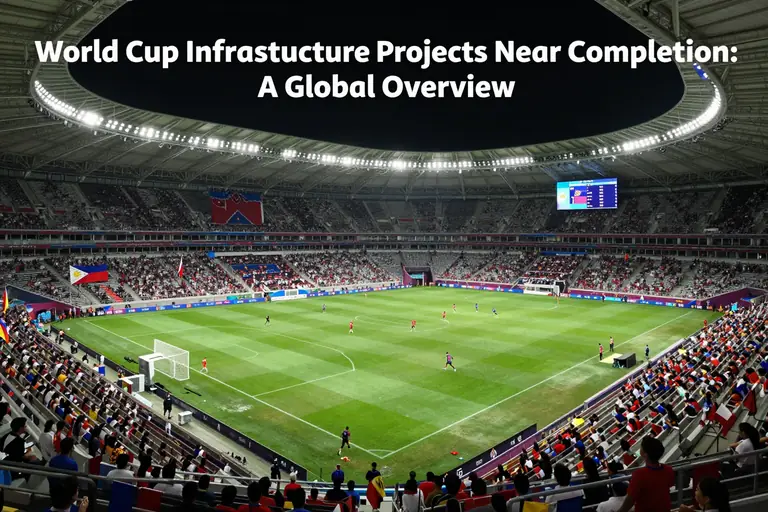
The Grand Stage: World Cup Infrastructure Projects Near Completion
The global anticipation for the next World Cup is palpable, and behind the scenes, a monumental effort is underway to ensure everything is ready. From state-of-the-art stadiums to vastly improved transport networks and hospitality facilities, the scale of development is truly staggering. For host nations, the World Cup isn’t just about football; it’s a catalyst for urban development and a chance to showcase their capabilities on a global stage. The focus now shifts to the critical final stages, with many World Cup infrastructure projects near completion, signaling the imminent arrival of the world’s most popular sporting event. These World Cup infrastructure projects near completion are not just about the tournament; they’re about future development.
Hosting a World Cup demands an incredible commitment of resources, both financial and human. It’s a multi-year endeavor that involves meticulous planning, complex construction, and extensive coordination across various sectors. The ripple effect of these projects extends far beyond the tournament itself, often leaving a lasting legacy in terms of improved public services and economic growth. We’re witnessing the culmination of these efforts, with numerous World Cup infrastructure projects near completion, promising an unforgettable experience for fans and participants alike. This intricate dance of development, often spanning several years, transforms cities and regions, creating a modern tapestry of infrastructure designed to welcome millions.
Stadiums: The Heartbeat of the Tournament and Architectural Marvels
No World Cup is complete without world-class stadiums, and host nations consistently push the boundaries of architectural and engineering marvels. These aren’t just arenas; they are iconic symbols, designed to provide an unparalleled experience for millions of spectators. Currently, several key World Cup infrastructure projects near completion are focused on these magnificent venues. Many stadiums have undergone significant renovations, expanding capacities, upgrading spectator amenities, and integrating cutting-edge technology for broadcasting and fan engagement. Others are entirely new builds, rising from the ground up to become future landmarks, often designed with sustainability and post-tournament legacy in mind. These World Cup infrastructure projects near completion represent a significant investment.
- Capacity Expansion: Older stadiums are often retrofitted to meet FIFA’s stringent capacity requirements, ensuring enough seats for the massive influx of fans while also considering comfortable seating, accessibility for persons with disabilities, and emergency exit routes. This often involves structural engineering feats to safely expand existing structures.
- Technological Integration: Modern stadiums boast advanced LED screens for replays and fan engagement, high-speed Wi-Fi and 5G connectivity to allow real-time sharing, and sophisticated security systems including CCTV, access control, and crowd management technologies. These digital enhancements are crucial for a seamless and secure event experience.
- Sustainability Features: A growing trend focuses on eco-friendly designs, incorporating solar panels for renewable energy, rainwater harvesting systems for irrigation and facilities, and energy-efficient lighting and cooling systems to minimize environmental impact. Some stadiums are even designed to be modular, allowing sections to be dismantled and repurposed after the tournament, reducing waste and providing materials for other community projects.
- Fan Experience Enhancements: Beyond the pitch, stadiums are designed with comprehensive amenities including diverse food and beverage options, merchandise stores, medical facilities, and spacious concourses to enhance comfort and enjoyment for all attendees.
The race to finish these venues is intense, often involving round-the-clock work schedules and thousands of laborers, but the dedication is evident. The sight of these magnificent structures standing tall, ready to host the world’s best footballing talent, is a testament to the hard work invested. Indeed, the successful delivery of these World Cup infrastructure projects near completion is paramount to the tournament’s overall success, setting the stage for unforgettable sporting moments.
Transforming Transportation Networks: The Artery of the World Cup
Beyond the stadiums, efficient transportation is crucial for moving millions of fans, athletes, and officials seamlessly across the host nation. This often necessitates massive overhauls and expansions of existing networks, alongside the creation of entirely new infrastructure. From expanded airports to new metro lines and improved road networks, the transportation segment of World Cup infrastructure projects near completion is equally vital. Host cities are investing heavily to reduce travel times, ease congestion, and ensure accessibility for everyone, creating a robust logistical backbone for the event. These World Cup infrastructure projects near completion are designed for long-term benefit.
Consider the significant upgrades to public transport systems. New railway lines, increasing the frequency of trains and buses, and integrating various modes of transport into a coherent network are common themes. These improvements are not just for the World Cup; they are long-term investments that benefit residents long after the final whistle, leading to reduced traffic, lower emissions, and improved connectivity for daily commuters. The scale of these undertakings is immense, and the fact that many World Cup infrastructure projects near completion are focused on transport speaks volumes about their importance for both the event and future urban development.
“The legacy of a World Cup extends far beyond the final match. The infrastructure improvements, especially in transportation, often serve as catalysts for future economic growth and urban development, benefiting citizens for decades. These projects exemplify forward-thinking urban planning in anticipation of global events.”
Airports are also seeing substantial upgrades. New terminals, expanded runways, enhanced baggage handling systems, and advanced air traffic control technologies are all part of ensuring a smooth arrival and departure process for international visitors. These are complex logistical operations, requiring meticulous planning and execution to handle the surge in passenger volume. Furthermore, road networks are often expanded or improved, with new highways, bypasses, and intelligent traffic management systems implemented to facilitate quicker travel between venues and accommodation. The successful execution of these World Cup infrastructure projects near completion is a major achievement, showcasing a nation’s capacity for large-scale logistical coordination.
Accommodation and Hospitality: Welcoming the World with Open Arms
With millions of visitors expected, providing ample and comfortable accommodation is another key area of focus. Host nations are not only relying on existing hotels but are also seeing a boom in new hotel construction and the development of specialized fan zones. These World Cup infrastructure projects near completion aim to cater to a diverse range of budgets and preferences, from luxury resorts to more affordable lodging options, ensuring every visitor has a place to stay.
Beyond traditional hotels, temporary accommodation solutions, such as cruise ships docked in port cities or specially built fan villages, are often part of the strategy. These innovative approaches help manage the surge in demand and offer unique experiences for visitors, often integrating cultural elements of the host nation. The hospitality sector is gearing up to provide world-class service, reflecting the host nation’s culture and warmth. This includes extensive training programs for staff, focusing on multilingual capabilities and cultural sensitivity. The completion of these World Cup infrastructure projects near completion will be critical in ensuring a pleasant and memorable stay for all, contributing significantly to the overall visitor satisfaction.
- New Hotel Construction: Numerous hotels are being built from the ground up, ranging from budget-friendly options to five-star establishments, significantly increasing room capacity and modernizing the hospitality landscape.
- Temporary Lodging Solutions: Creative options like fan villages with modular housing, tent cities with communal facilities, and strategically placed cruise ship accommodations supplement traditional hotels, offering diverse experiences and managing peak demand.
- Service Staff Training: Extensive training programs are implemented across the hospitality industry, covering everything from customer service and safety protocols to language skills and local cultural knowledge, ensuring a high standard of service.
- Accessibility Enhancements: New and renovated accommodations are designed to be fully accessible, catering to visitors with disabilities and ensuring inclusive experiences.
Digital Infrastructure and Connectivity: The Nervous System of a Modern Tournament
In today’s interconnected world, robust digital infrastructure is as crucial as physical infrastructure. Fans want to share their experiences in real-time, media outlets need seamless broadcasting capabilities, and tournament organizers rely on advanced digital systems for everything from ticketing to security. Therefore, a significant portion of World Cup infrastructure projects near completion involves upgrading telecommunications networks, enhancing internet connectivity, and deploying state-of-the-art cybersecurity measures. This digital backbone ensures that the World Cup is not only a physical spectacle but also a globally connected event.
High-speed internet access, particularly 5G technology, is being rolled out in stadiums, fan zones, and key public areas. This ensures that fans can easily upload photos and videos, stream live content, stay connected with loved ones, and access real-time information about matches, events, and transport. The media, too, benefits immensely from dedicated high-bandwidth networks, allowing for flawless live broadcasts to a global audience, instant content sharing, and remote production capabilities. These digital World Cup infrastructure projects near completion are vital for the modern sporting spectacle, enabling unprecedented levels of engagement and coverage.
Cybersecurity is another paramount concern. Protecting sensitive data, ensuring the integrity of ticketing systems, safeguarding against potential digital threats and cyberattacks, and maintaining secure communication channels are top priorities. The investment in resilient and secure digital infrastructure underscores the sophisticated planning involved in hosting such a large-scale event, acknowledging the increasing reliance on digital platforms. The focus on these World Cup infrastructure projects near completion demonstrates a forward-thinking approach to tournament hosting, recognizing that a seamless digital experience is now an expectation, not a luxury.
Sustainability and Legacy Planning: Beyond the Final Whistle
Modern World Cups are increasingly judged not just on the sporting spectacle but also on their long-term impact and sustainability. Host nations are now integrating sustainability principles into every aspect of their planning, from construction materials to waste management and energy consumption. Many World Cup infrastructure projects near completion are designed with a clear legacy in mind, ensuring that the benefits extend far beyond the tournament’s duration and contribute positively to the host communities.
This includes repurposing stadiums for community use, converting temporary facilities into permanent public amenities like schools or clinics, and ensuring that transport upgrades continue to serve the local population for years to come, reducing daily commutes and improving quality of life. Environmental considerations are also at the forefront, with efforts to minimize carbon footprints through sustainable building practices, promoting green energy sources, extensive recycling programs, and protecting local biodiversity. The emphasis on these aspects ensures that the World Cup leaves a positive and lasting imprint, fostering sustainable development. The thoughtful execution of these World Cup infrastructure projects near completion is crucial for a truly successful and impactful event that resonates for generations.
The commitment to legacy planning ensures that the massive investments made in World Cup infrastructure projects near completion translate into tangible, long-term benefits for the host nation and its citizens. This includes skills development and training programs for local workers, significant job creation both during and after construction, and boosting tourism beyond the tournament period by showcasing the nation’s attractions and improved infrastructure. The foresight in planning these elements is a hallmark of successful World Cup hosting, transforming a temporary event into a permanent catalyst for national progress.
The Final Push: Overcoming Challenges and Delivering Excellence
Bringing World Cup infrastructure projects near completion is no small feat. It involves navigating complex logistical challenges, adhering to tight deadlines, managing vast budgets, and coordinating an immense workforce. Supply chain issues, unforeseen construction delays due to weather or geological factors, and global economic fluctuations can all impact progress. Yet, the determination to deliver a flawless tournament drives relentless effort, often requiring innovative solutions and adaptive planning.
The final weeks and months before the opening ceremony are a whirlwind of activity. Testing systems rigorously – from stadium lighting and sound to security protocols and transportation routes – finalizing aesthetics, conducting comprehensive safety drills, and ensuring every minute detail is perfect are paramount. The meticulous attention to detail at this stage is what truly brings the vision to life, transforming blueprints into vibrant, functional spaces ready for the world’s gaze. The successful completion of these World Cup infrastructure projects near completion is a testament to national pride, organizational prowess, and the unwavering dedication of thousands of individuals.
The host nation’s ability to overcome these hurdles and deliver on its promises speaks volumes about its resilience and capability on a global stage. As the world watches, the final touches are being applied, transforming months and years of planning into a vibrant reality. The World Cup infrastructure projects near completion represent the culmination of this extraordinary journey, ready to welcome the world to a celebration of sport, culture, and human achievement.
FAQ
Q1: What are the main types of infrastructure projects involved in hosting a World Cup?
A1: Hosting a World Cup involves a wide array of infrastructure projects, primarily focusing on state-of-the-art stadiums (new builds or extensive renovations), vastly improved transportation networks (including expanded airports, new metro lines, upgraded road infrastructure, and efficient public transit systems), ample accommodation and hospitality facilities (new hotels, temporary lodging solutions like fan villages and cruise ships), and robust digital infrastructure (upgraded telecommunications networks, high-speed internet/5G connectivity, and advanced cybersecurity measures). These developments are meticulously designed to support the massive influx of visitors, ensure seamless tournament operations, and provide a world-class experience. All these World Cup infrastructure projects near completion are vital.
Q2: How do World Cup infrastructure projects benefit the host nation long-term?
A2: The benefits extend far beyond the tournament itself. Host nations gain significantly improved public services, modernized and expanded transportation systems that enhance daily commutes and connectivity, a boom in the hospitality and tourism sectors, and often new community facilities (as stadiums and temporary structures are repurposed). These projects stimulate substantial economic growth, create thousands of jobs (both during construction and in post-tournament operations), attract foreign investment, and boost the nation’s global profile, leaving a lasting legacy for citizens for decades through enhanced quality of life and sustained economic activity. The long-term impact of World Cup infrastructure projects near completion is immense.
Q3: What role does technology play in modern World Cup infrastructure?
A3: Technology is absolutely crucial and deeply integrated into modern World Cup infrastructure. It encompasses everything from advanced stadium designs with cutting-edge spectator amenities (e.g., giant LED screens, cashless payment systems) to high-speed internet and 5G connectivity for fans and media to share real-time experiences. Furthermore, it includes sophisticated security systems (CCTV, access control, AI-driven crowd management), digital ticketing solutions, intelligent traffic management systems, and sustainable building technologies. These technological integrations enhance the fan experience, streamline operational efficiency, ensure a secure environment, and enable unprecedented levels of global connectivity and broadcast quality. Many World Cup infrastructure projects near completion heavily feature technological advancements.
Q4: How does sustainability factor into World Cup infrastructure planning?
A4: Sustainability is a central pillar of modern World Cup infrastructure planning, moving beyond just the sporting event to focus on long-term environmental and social impact. This involves designing and constructing eco-friendly stadiums (using renewable energy, rainwater harvesting, waste reduction), implementing comprehensive recycling and waste management programs, promoting green transportation options, and ensuring that infrastructure projects contribute positively to local communities. There’s a strong emphasis on legacy planning, where facilities are designed for post-tournament use, ensuring that investments benefit the host nation for years to come and minimize environmental footprint. The thoughtful design of World Cup infrastructure projects near completion emphasizes sustainability.
Q5: What are some of the challenges faced in bringing World Cup infrastructure projects to completion?
A5: Bringing these massive projects to completion involves numerous challenges. These include navigating complex logistical hurdles, adhering to extremely tight deadlines, managing vast and often escalating budgets, and coordinating an immense international and local workforce. Other challenges can involve unforeseen construction delays due to weather, geological issues, or material shortages, supply chain disruptions, global economic fluctuations, and ensuring compliance with stringent international safety and environmental standards. Overcoming these requires exceptional project management, engineering ingenuity, and robust contingency planning. Despite these challenges, World Cup infrastructure projects near completion are a testament to global collaboration.