Understanding the Latest World Cup Updates
As football fans around the globe eagerly anticipate the next major tournament, World Cup Officials Share Latest Tournament Information, giving us a clearer picture of what to expect. Our site is dedicated to bringing you these crucial updates, ensuring you stay informed about the biggest event in international football. From host city preparations to competition format tweaks, there’s always something new to learn and analyze. This comprehensive overview aims to consolidate all the vital announcements, providing a single source for all your World Cup information needs.
The organizing committee, in close collaboration with FIFA, has been working tirelessly to finalize all arrangements. These updates are vital for everyone involved, from participating teams and their staff to the millions of supporters planning to travel or watch from home. We’ll break down the most significant announcements, explaining what they mean for the tournament’s overall experience and competitive landscape. Understanding these details well in advance can significantly enhance your World Cup experience, whether you’re a casual observer or a dedicated follower of the sport.
Host City Preparations and Infrastructure Development
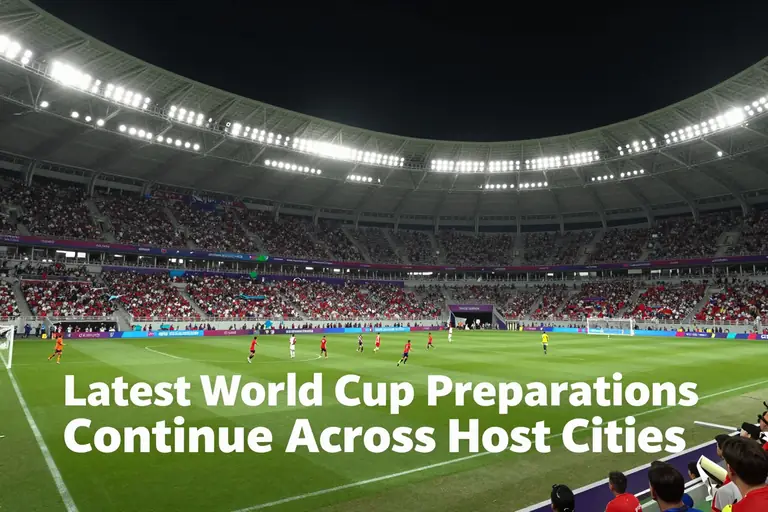
One of the primary areas of focus for World Cup officials has been the readiness of the host cities. Significant investments, often totaling billions, have gone into upgrading existing stadiums and constructing new, state-of-the-art venues. These facilities are designed not just for the matches themselves but also to provide an unparalleled experience for fans, with improved accessibility for persons with disabilities, enhanced hospitality options including diverse culinary offerings, and advanced security measures utilizing cutting-edge technology. The infrastructure extends far beyond the stadiums, encompassing vast transportation networks – including new metro lines, expanded airport terminals, and dedicated bus routes – accommodation ranging from luxury hotels to budget-friendly options, and revitalized public spaces, all being meticulously prepared to welcome the anticipated influx of millions of visitors.
We’ve seen detailed reports and progress updates from various locations, highlighting the unwavering commitment to delivering a world-class event that leaves a lasting legacy. The goal is to ensure smooth operations for teams traveling between venues, minimizing logistical challenges, and for fans navigating the host country, making their journey as seamless and enjoyable as possible. Each host city brings its unique cultural flavor and heritage, and the organizers are keen to showcase the cultural richness and diversity of the region while maintaining the highest standards of tournament execution and operational efficiency. This cultural immersion is a key component of the overall fan experience, offering more than just football.
Competition Format and Rule Adjustments: Adapting to a New Era
The competition format is always a hot topic, and World Cup Officials Share Latest Tournament Information regarding potential adjustments that reflect the evolving landscape of international football. While the core structure of group stages followed by knockout rounds remains a beloved tradition, there have been extensive discussions and confirmations about specific details that could significantly impact team strategies, match dynamics, and overall fan engagement. For instance, the expansion of the tournament to include more teams introduces new dynamics, potentially offering more nations a chance to compete on the global stage, fostering wider participation and interest.
These changes are often implemented with the dual objectives of promoting greater inclusivity and achieving competitive balance across continents, though they also present new and complex logistical challenges for the organizers, requiring innovative solutions. Rule adjustments, while typically minor in scope, can sometimes have a profound and immediate impact on gameplay, influencing tactical approaches and match outcomes. We’ll keep a close eye on any confirmed changes to established rules such as offside interpretations, the implementation and refinement of VAR (Video Assistant Referee) protocols, or adjustments to substitution limits, as these can directly influence the flow of the game, player welfare, and the overall fairness of competition. These modifications are often a response to feedback from players, coaches, and referees, aiming to improve the game for everyone involved.
Ticketing Information and Enhancing the Fan Experience
For many passionate fans, securing tickets is the crucial first step in experiencing the magic of the World Cup in person. World Cup officials have meticulously outlined the various phases of ticket sales, including initial registration periods for pre-sale access, lottery draws for oversubscribed matches, and last-minute sales opportunities. Understanding this multi-stage process is absolutely crucial for anyone hoping to attend matches in person. Our comprehensive coverage will provide direct links to official platforms and clear, step-by-step instructions on how to navigate the official ticketing portals, helping you avoid unofficial channels, inflated prices, and potential scams that unfortunately proliferate during major events.
Beyond just tickets, the overall fan experience is a paramount priority for the organizers. This includes the establishment of designated fan zones in each host city, often featuring large screens for public viewing, live entertainment, food and beverage vendors, and official merchandise stalls. Public viewing areas will be set up in prominent locations, and a rich calendar of cultural events will be organized around the tournament, celebrating the host country’s heritage and offering diverse entertainment options. These initiatives aim to create a vibrant, festive atmosphere, allowing supporters to celebrate together, even if they don’t have match tickets. Detailed information on transportation passes, local travel tips, cultural etiquette, and comprehensive safety guidelines will also be made readily available through official channels, ensuring a safe, enjoyable, and culturally enriching trip for all visitors.
Robust Security Measures and Comprehensive Safety Protocols
In today’s complex global landscape, security is of paramount importance for any large-scale international event, especially one of the World Cup’s magnitude. World Cup Officials Share Latest Tournament Information detailing the extensive and multi-layered security measures being put in place to protect everyone involved. This involves close and continuous collaboration between local law enforcement agencies, international security organizations like Interpol, and reputable private security firms, all working in unison. Spectators can expect enhanced and systematic screenings at all stadium entry points, strict access controls to regulated areas, and a highly visible security presence both inside and outside all tournament venues and designated fan areas. This proactive approach is designed to deter potential threats and ensure rapid response capabilities.
Safety protocols also extend significantly to public health, with organizers working diligently to ensure a healthy and hygienic environment for all participants and spectators. This includes robust medical facilities at stadiums, emergency response teams, and public health campaigns. While specific details regarding health measures may evolve based on global health situations, the commitment to providing a secure, safe, and healthy environment is unwavering and non-negotiable. These comprehensive measures are meticulously designed to minimize all foreseeable risks, allowing everyone to focus on the beautiful game and enjoy the spectacle without undue concern, fostering a sense of confidence and well-being among attendees.
Economic Impact and Legacy Planning
Hosting the World Cup brings not only global attention but also significant economic opportunities and challenges. World Cup officials often provide insights into the projected economic impact, including job creation in construction, hospitality, and tourism sectors, as well as increased revenue for local businesses. Beyond the immediate economic boost, considerable effort is put into legacy planning. This involves ensuring that the infrastructure built for the tournament, such as stadiums, transportation networks, and training facilities, continues to benefit the host nation long after the final whistle. Discussions often revolve around converting stadiums for multi-purpose use, improving public transportation for residents, and boosting local football development programs. The goal is to leave a positive, sustainable impact that extends beyond the month-long event, fostering long-term growth and community benefits.
Furthermore, the World Cup serves as a powerful platform for cultural exchange and international diplomacy. Hosting nations use this opportunity to showcase their culture, traditions, and hospitality to a global audience. Officials emphasize the importance of creating an inclusive environment where people from different backgrounds can come together to celebrate their shared passion for football. This soft power aspect is a crucial, though sometimes overlooked, benefit of hosting such a prestigious event, fostering understanding and goodwill between nations.
FAQ
When will the next World Cup take place?
Official dates for the next World Cup have been set, typically spanning about a month during the summer months (June-July), though specific start and end dates are confirmed by FIFA closer to the event. In some instances, due to climatic conditions, tournaments may be held in other months, such as November-December.
How many teams will participate in the upcoming tournament?
The tournament is expanding to include more teams, with the exact number confirmed by FIFA as part of the new competition format. This expansion aims to provide more opportunities for national teams worldwide to compete.
Where can I find official ticketing information?
Official ticketing information, including sale phases, registration details, price categories, and authorized sales channels, will be released exclusively on FIFA’s official website and through officially designated ticketing partners. Always verify sources to avoid fraudulent tickets.
What are the main changes to the competition format?
The primary changes often involve the number of participating teams, adjustments to the group stage structure (e.g., number of teams per group, progression rules), and potentially new playoff formats. These changes are detailed by World Cup officials well in advance of the tournament.
How are host cities preparing for the influx of fans?
Host cities are making substantial investments in infrastructure upgrades, including public transportation networks, diverse accommodation options, enhanced public safety measures, and cultural events. They are also developing comprehensive fan zones and public viewing areas to accommodate all visitors.
What measures are being taken to ensure fan safety and security?
Extensive security measures include multi-agency collaboration between local and international law enforcement, advanced surveillance technologies, rigorous stadium access controls, and a visible security presence. Health and safety protocols are also in place, including medical facilities and emergency response plans.
Will there be sustainability initiatives during the World Cup?
Yes, sustainability is a key focus for World Cup organizers. Initiatives often include promoting public transport, waste reduction and recycling programs, using renewable energy sources for venues, and ensuring that new infrastructure has a long-term, positive environmental impact. Reports on these efforts are regularly published by the organizing committee.